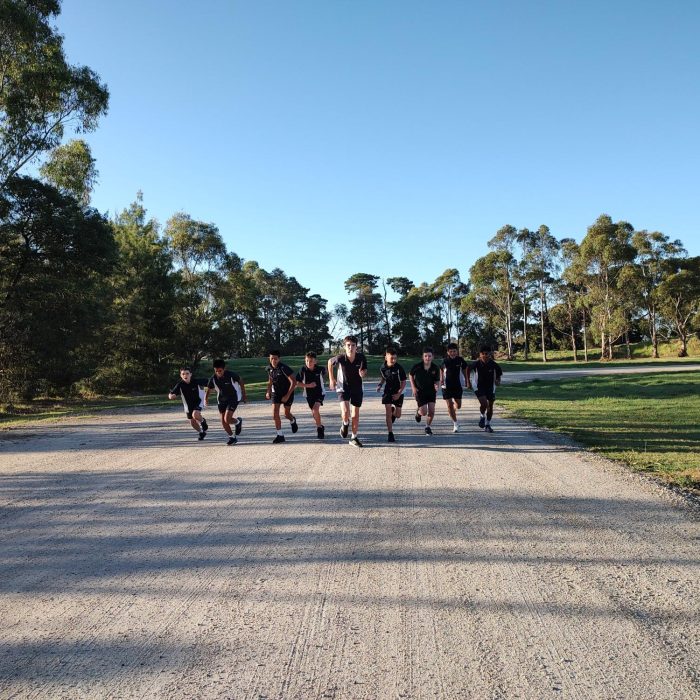
Student Empowerment Programs That Build Confidence and Resilience
Build confidence, resilience and personal responsibility through structured challenge
Healthy Teens Empowerment Challenges combine physical activity, teamwork, mentoring and guided reflection to help students recognise what they are capable of achieving. Students are supported to step outside their comfort zone, work through difficulty, encourage others and develop the confidence to keep going when challenges arise. Each program is tailored to your school, student cohort and desired outcomes.
Trusted by schools including Haileybury College, Cranbourne SC, Lighthouse Christian College and Crest Education.
"Resilience in Action"
Healthy Teens delivers practical school programs that combine physical activity, mentoring, emotional regulation and student engagement.
Some Students Need More Than Another Conversation
Many young people understand what they should do but struggle to put it into practice.
They may find it difficult to stay motivated, accept feedback, manage frustration, believe in themselves or continue when something becomes uncomfortable.
Empowerment Challenges give students the opportunity to practise these skills through structured physical and personal challenges.
The aim is not simply to complete an activity.
The aim is to help students experience what courage, persistence, teamwork and responsibility look like in action.
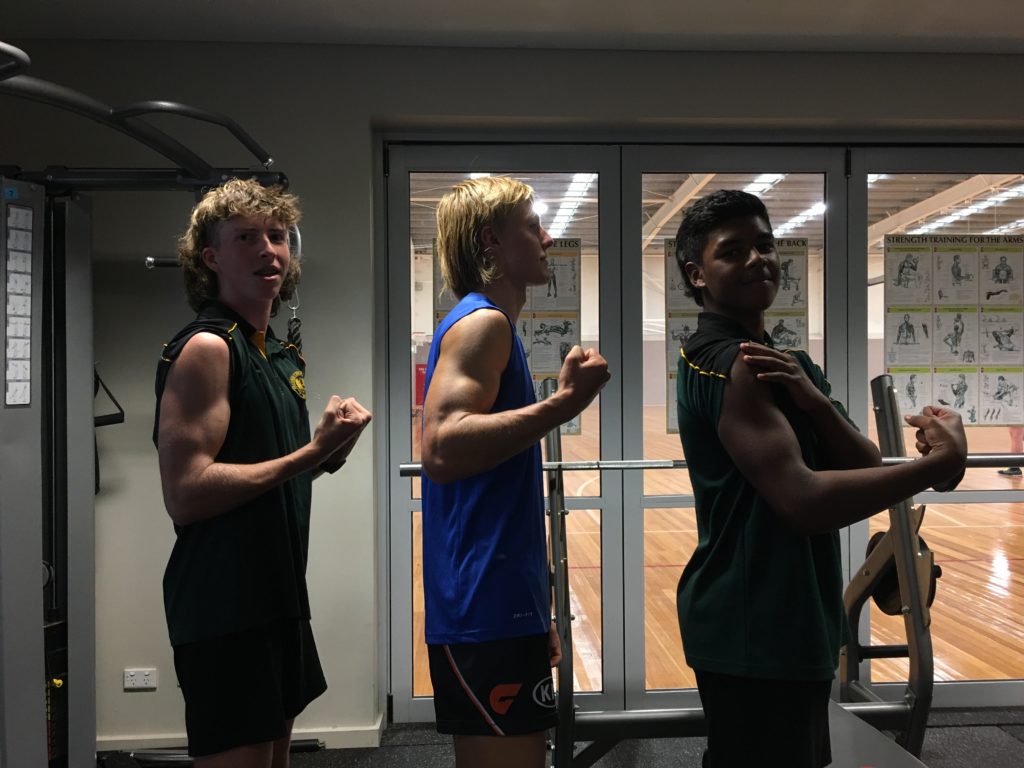
What Students Do
Activities are selected according to the age, ability and needs of the group.
A program may include:
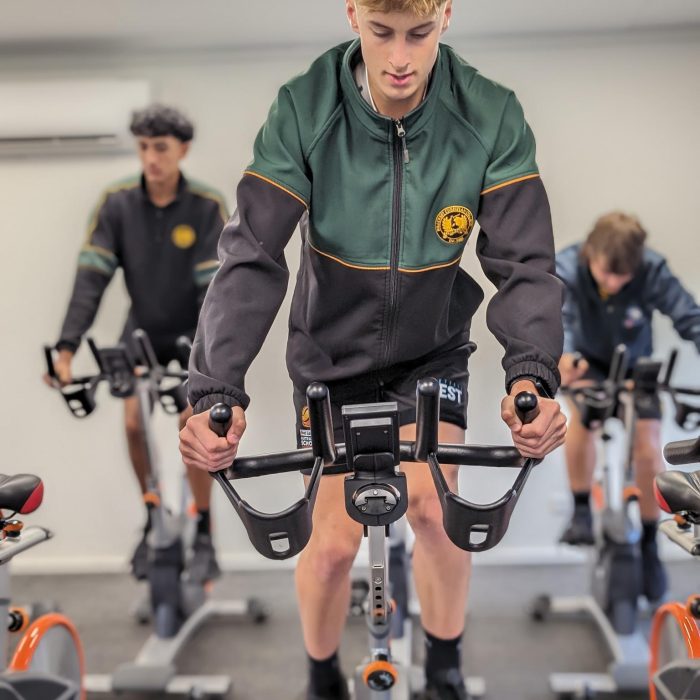
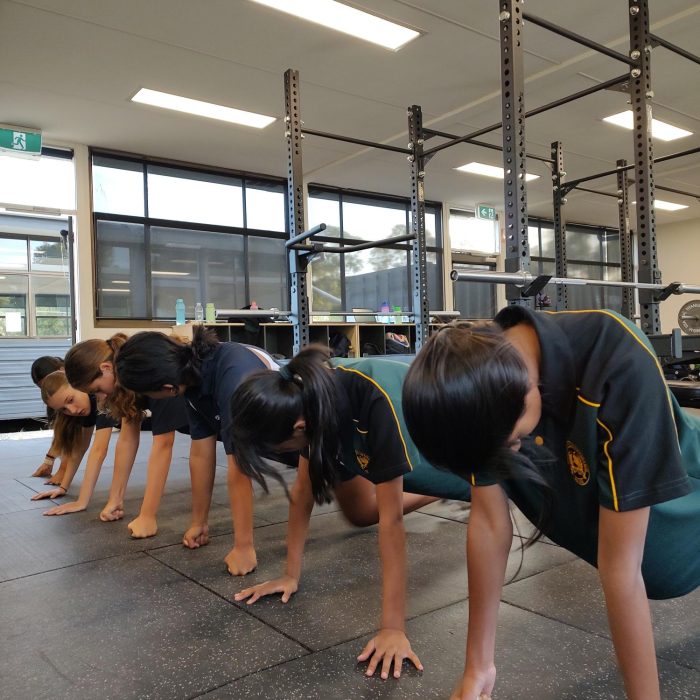
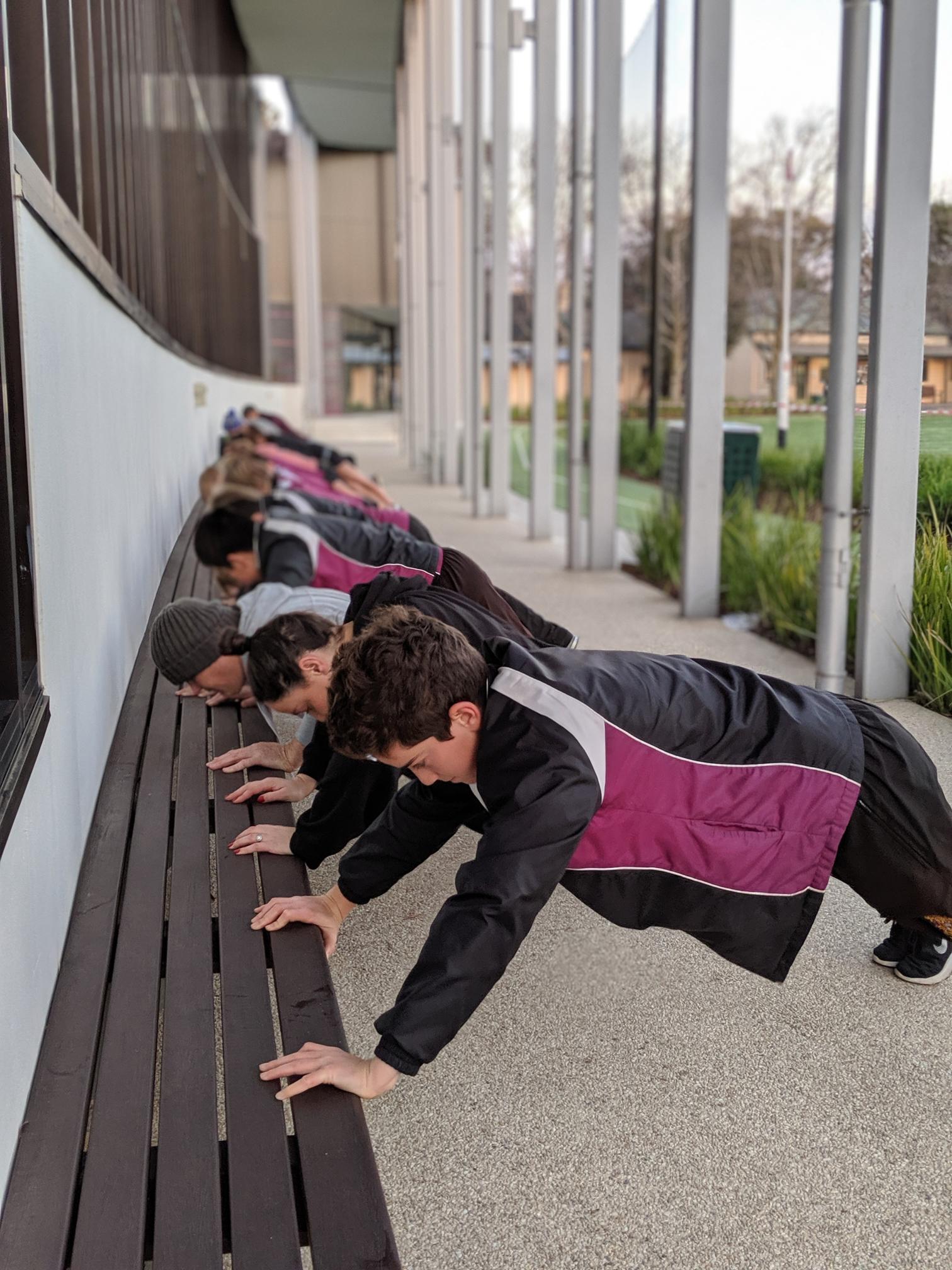
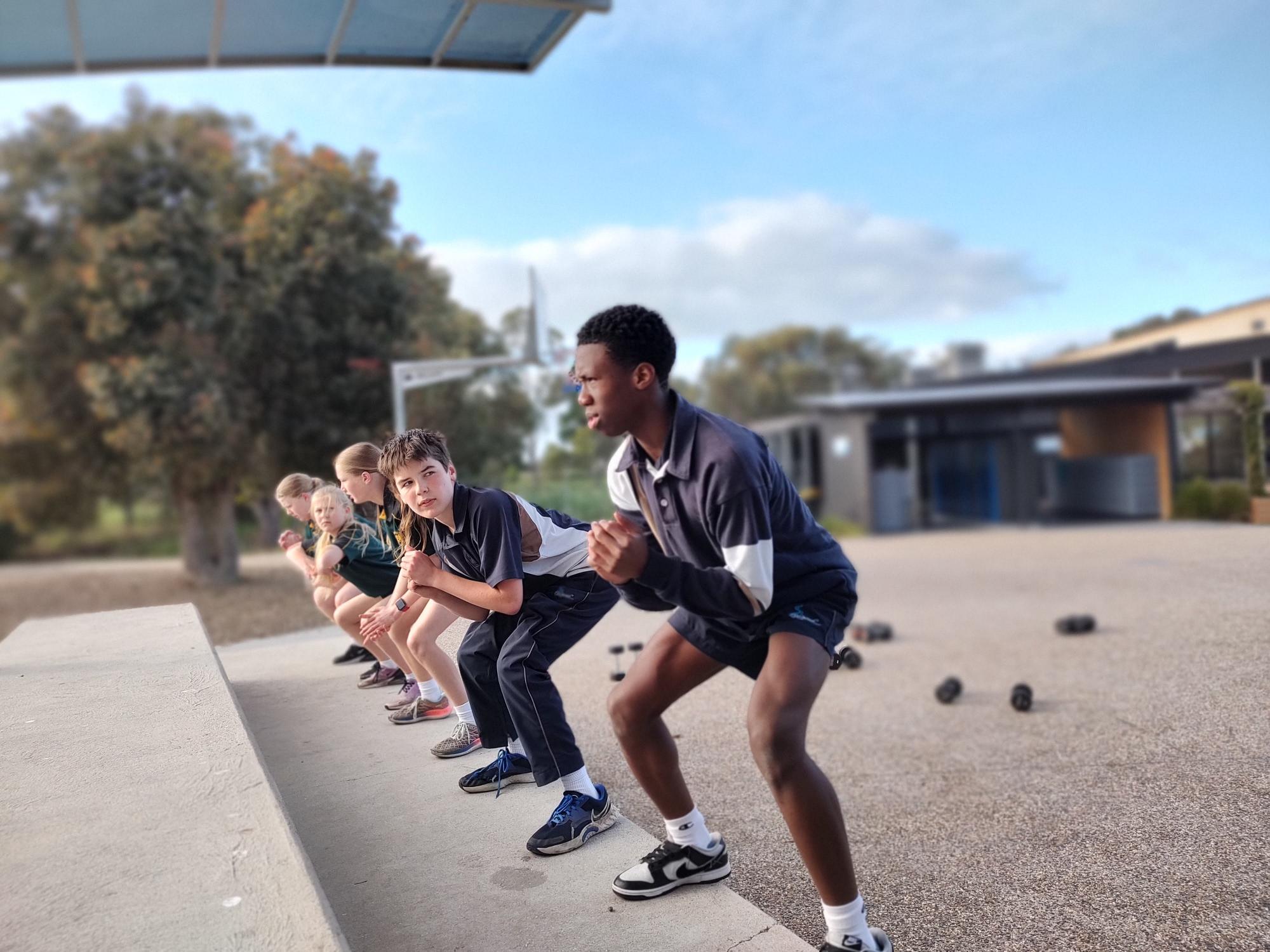
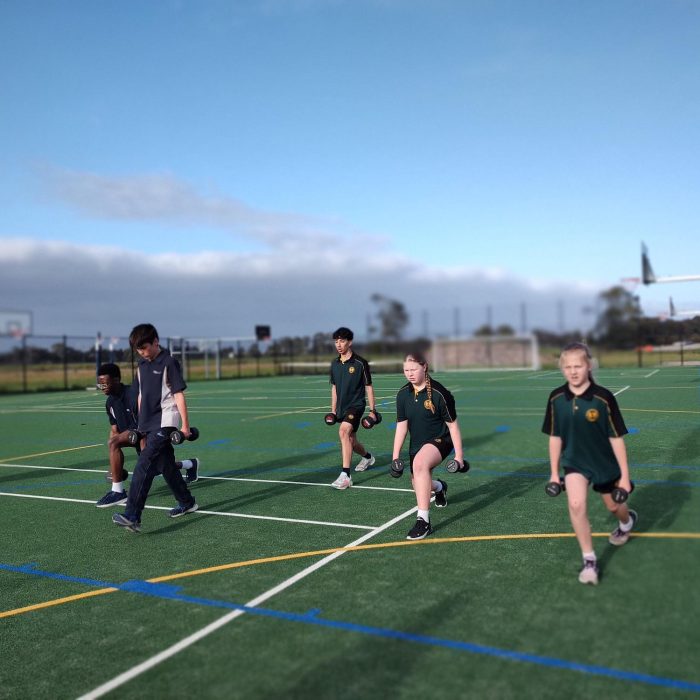
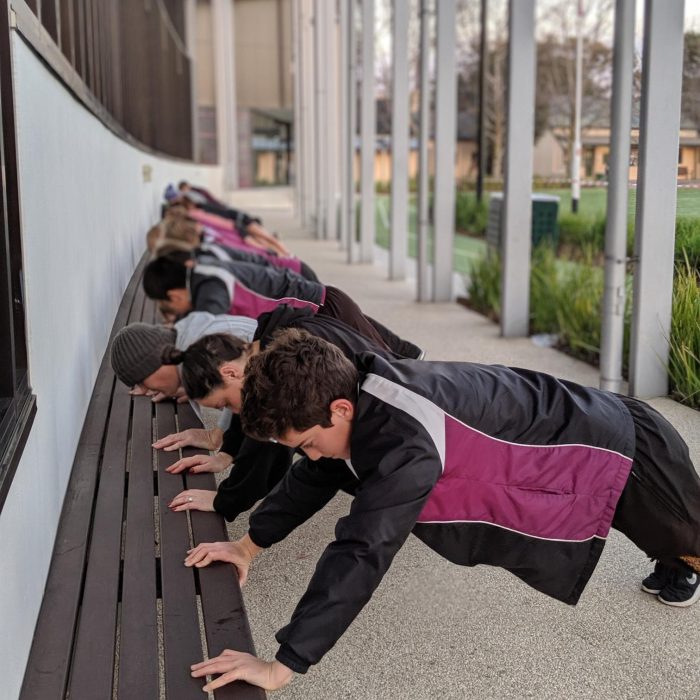
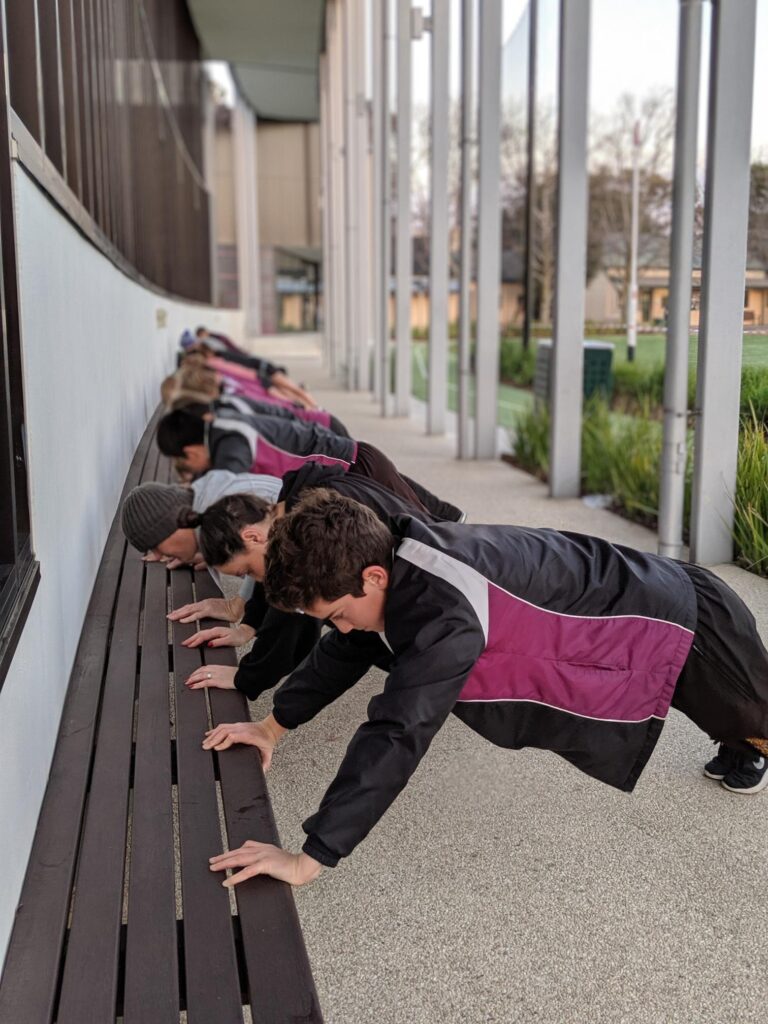
• Team fitness challenges
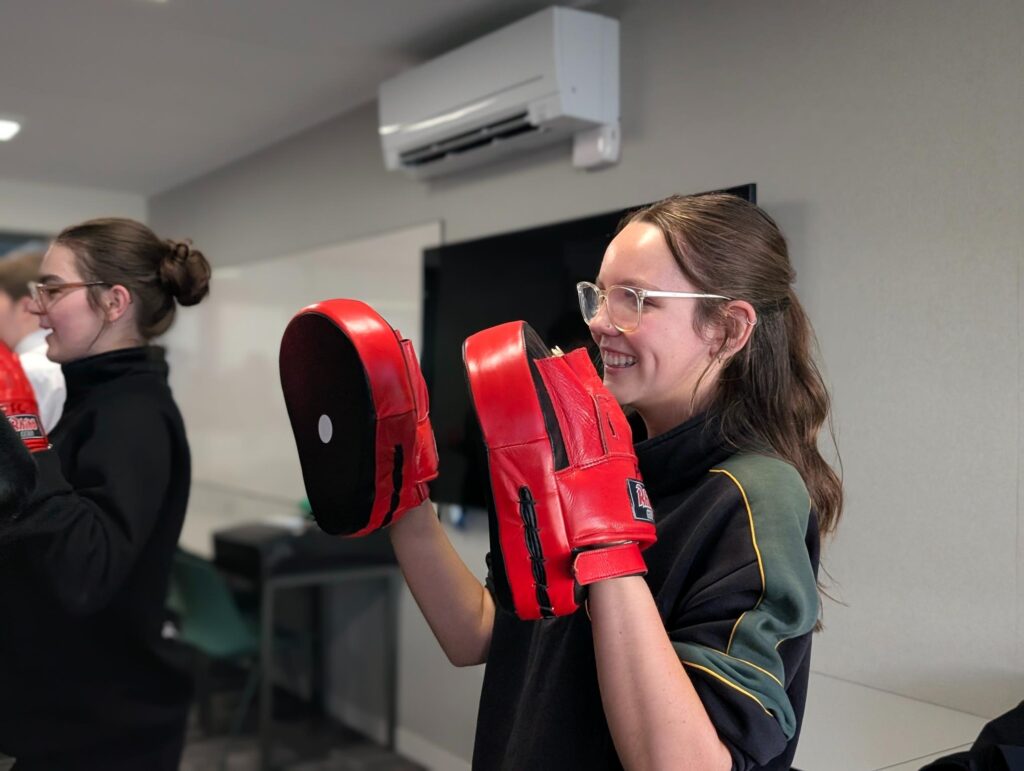
• Boxing based activities
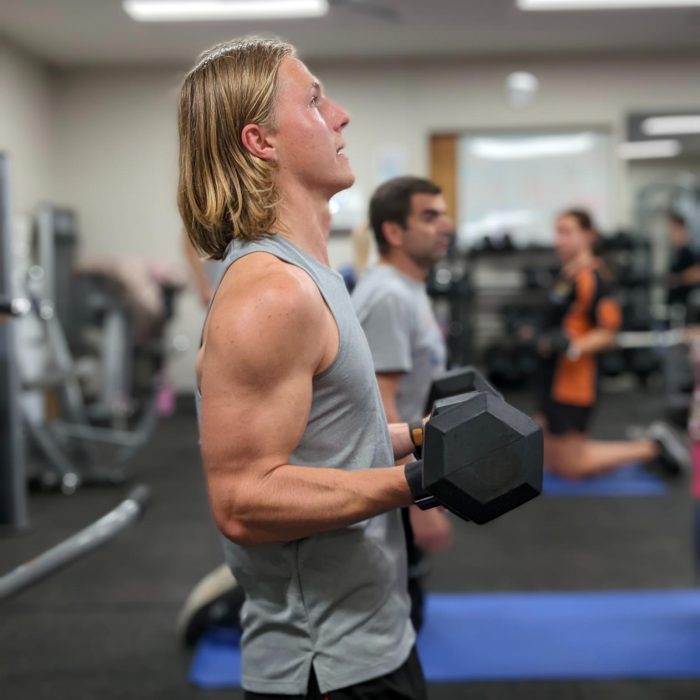
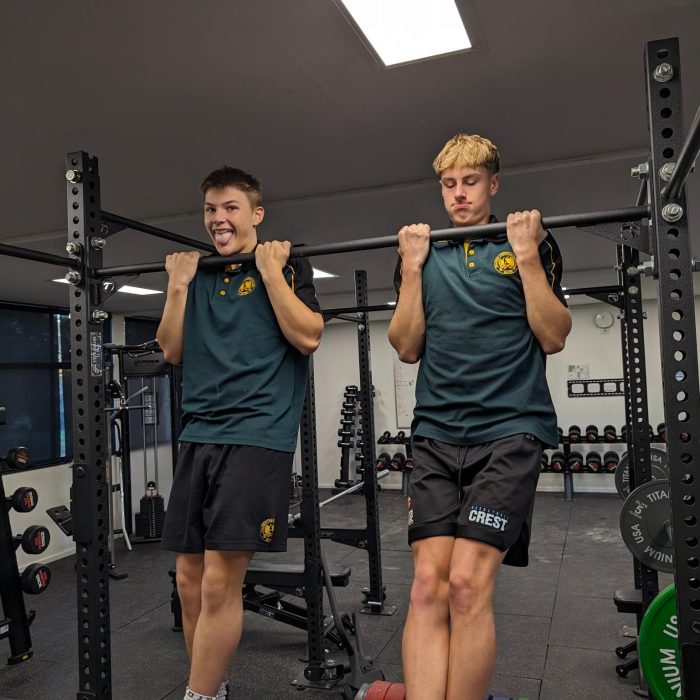
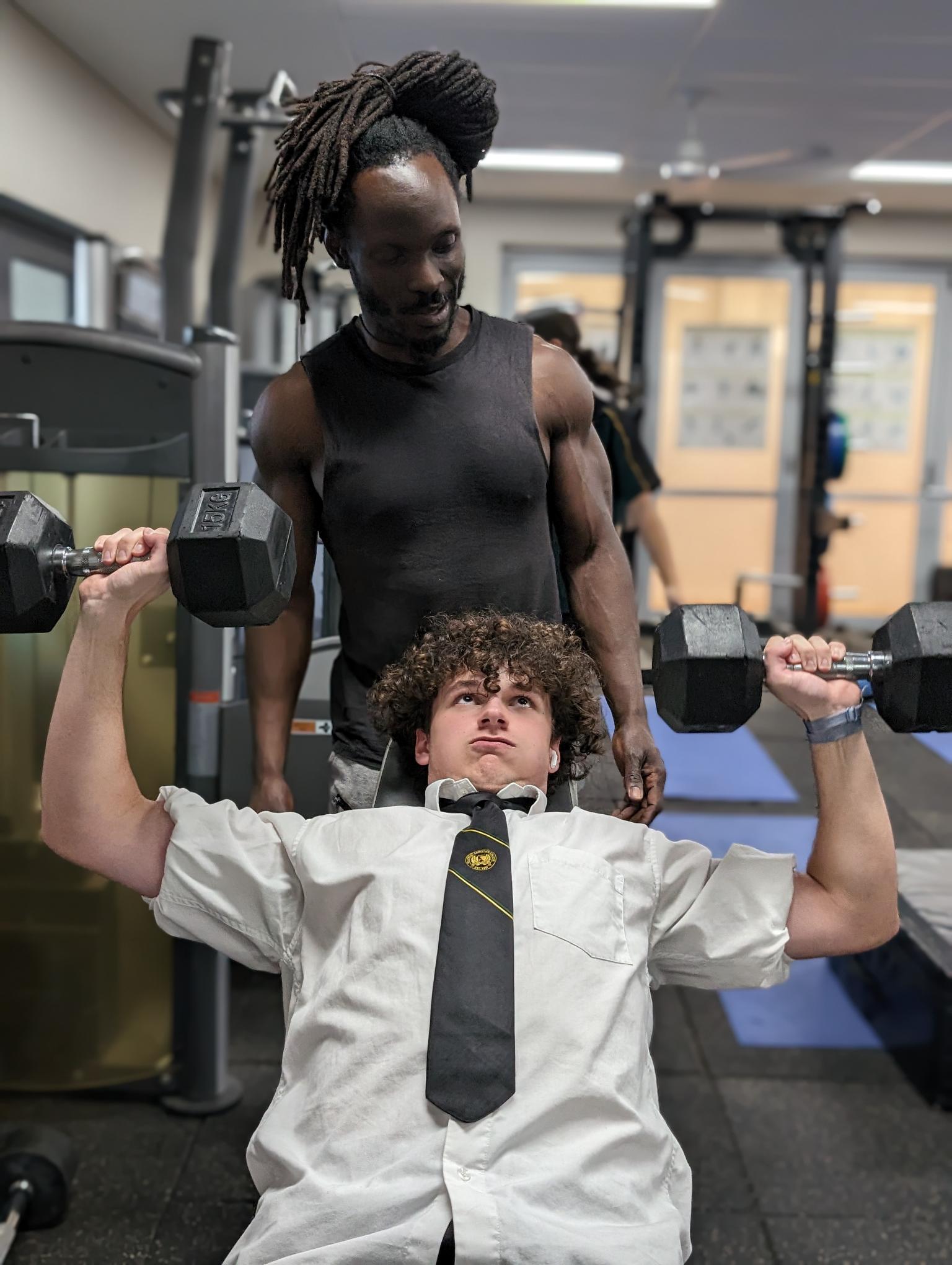
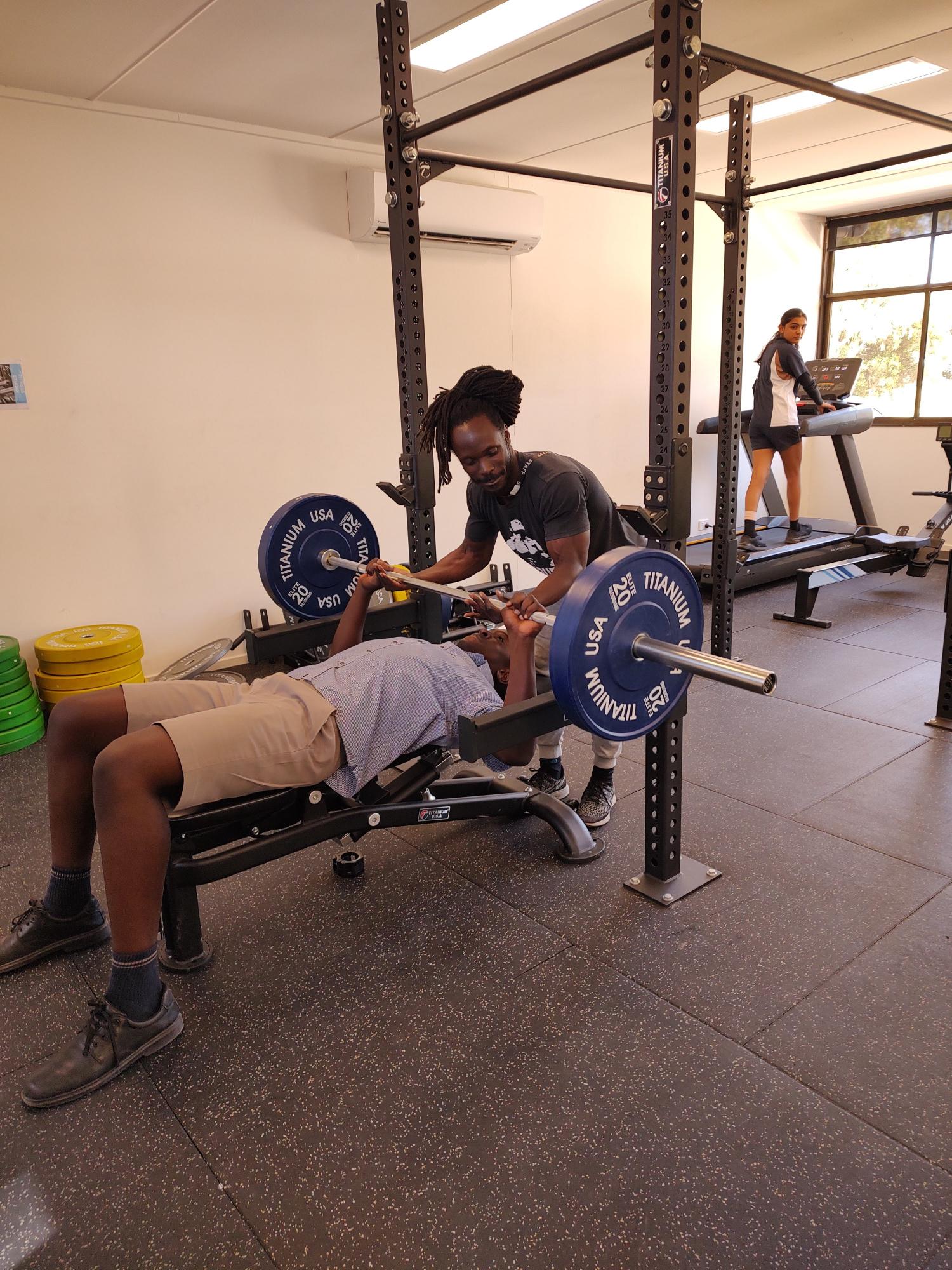
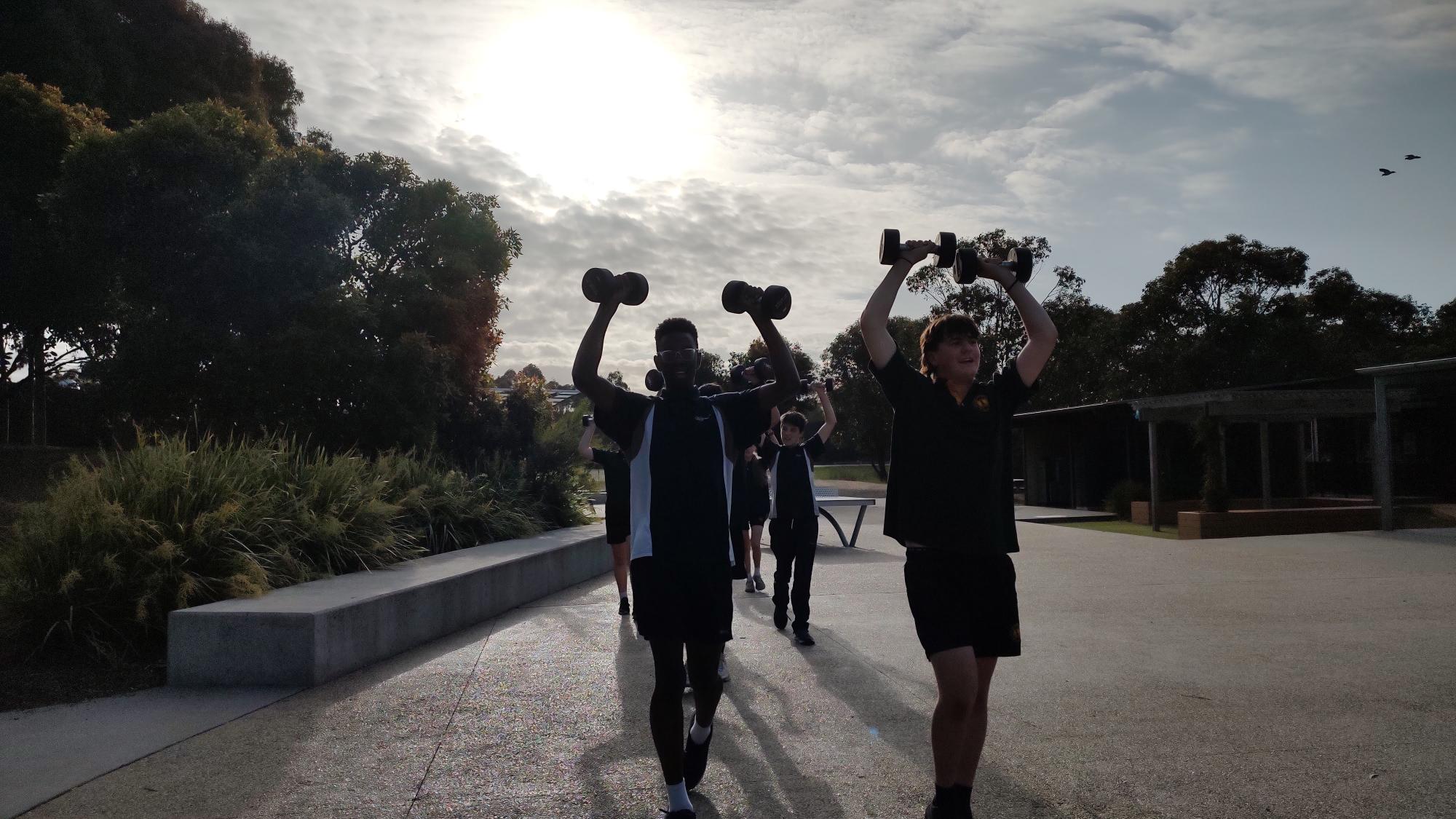
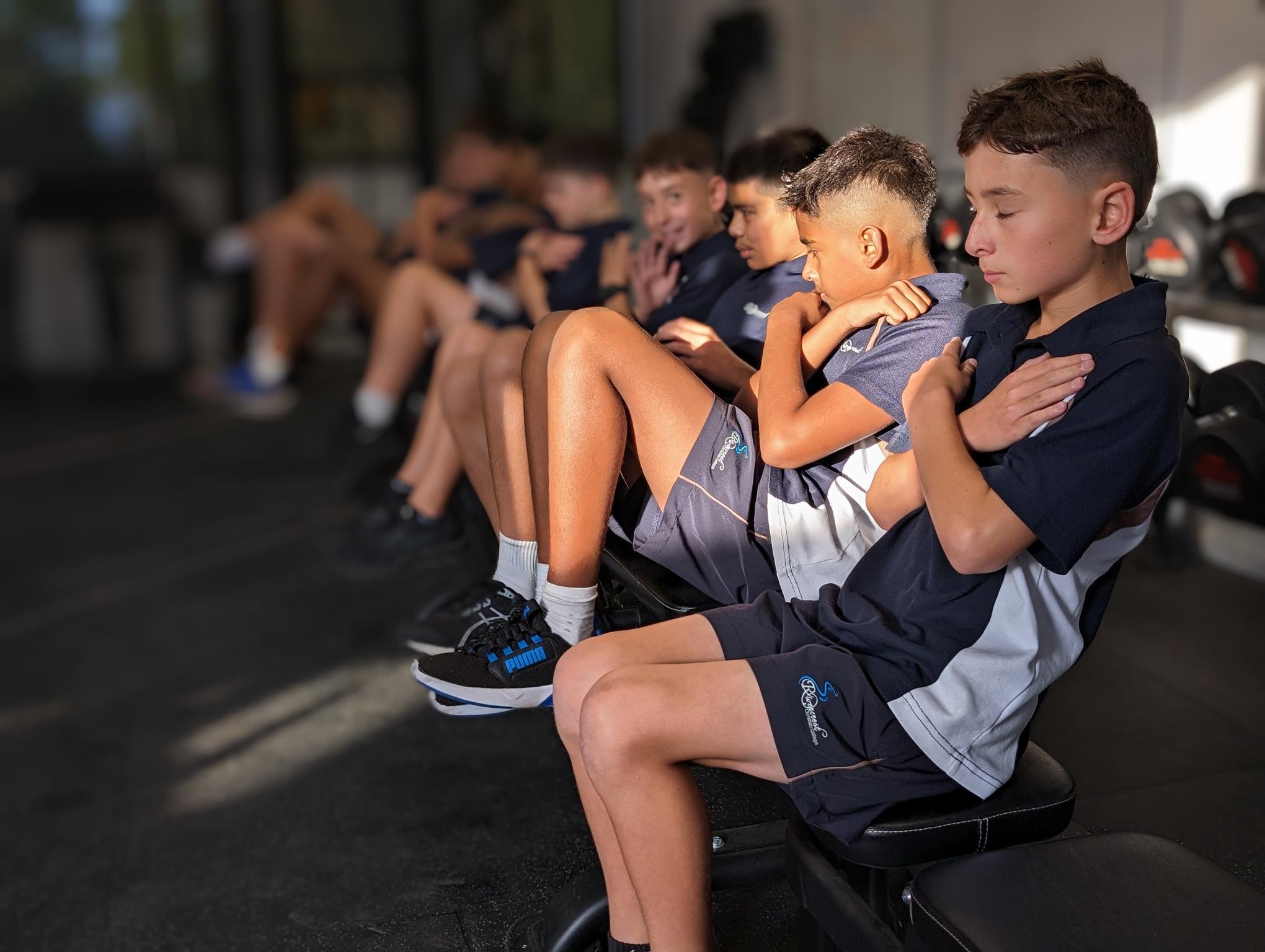
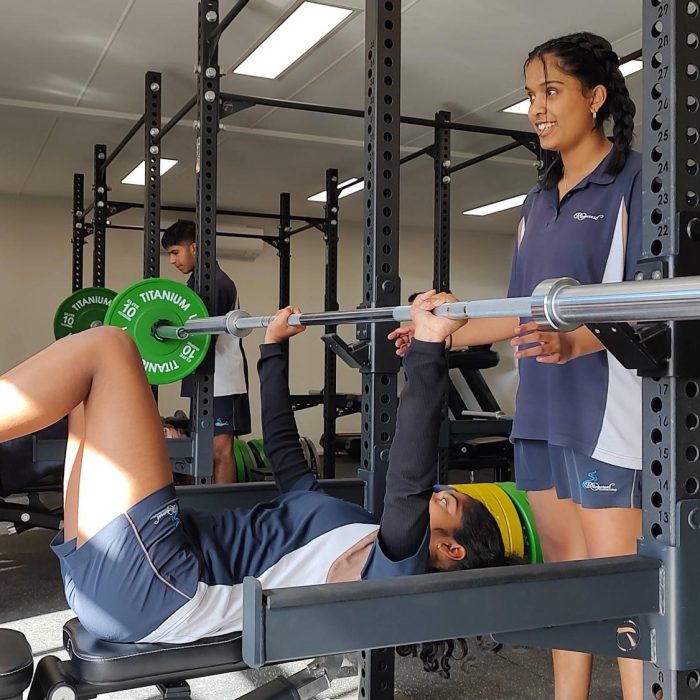
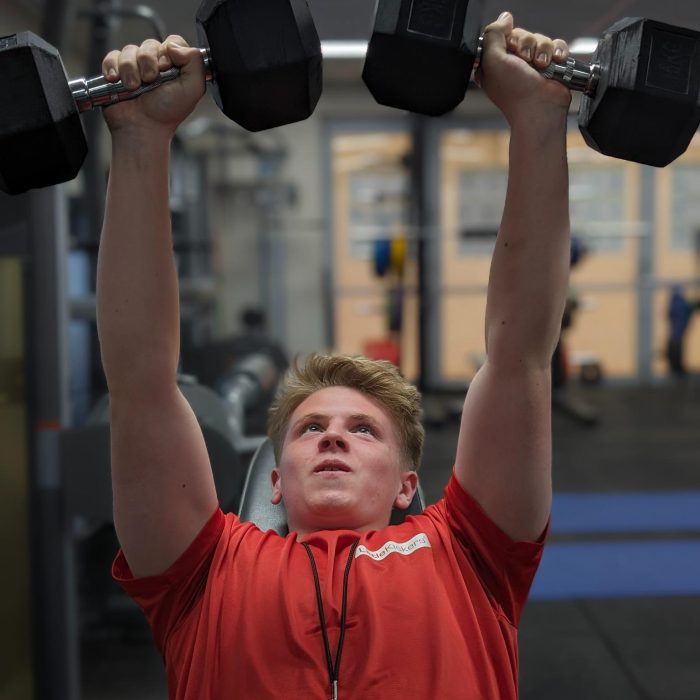
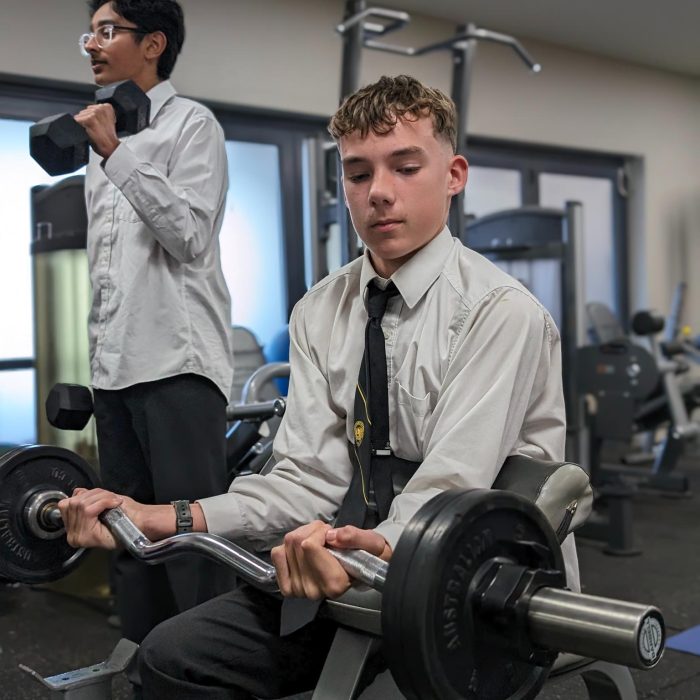
• Strength and conditioning tasks
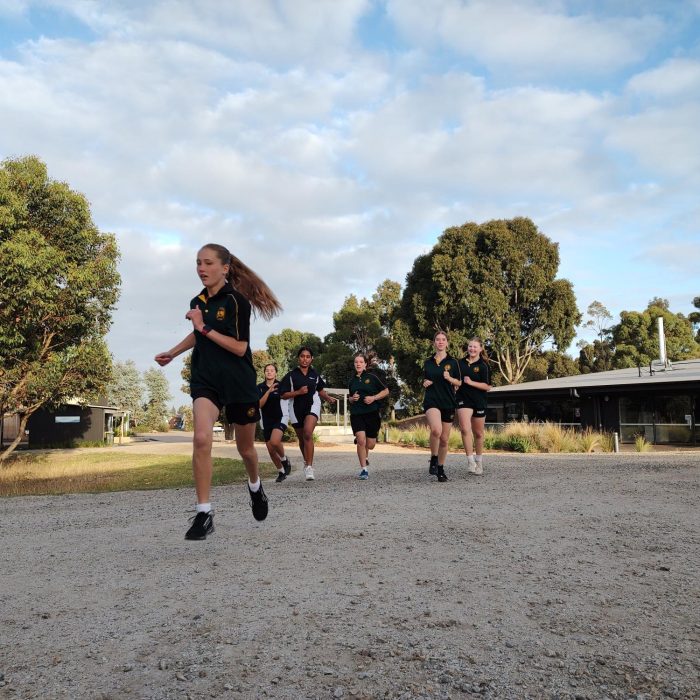
• Running or endurance goals
• Partner and communication activities
• Leadership and problem solving tasks
• Goal setting and personal reflection
• A final challenge or celebration activity
Students do not need to be highly athletic.
Activities can be adapted so that students are challenged at an appropriate level while still experiencing progress and achievement.
What Is an Empowerment Challenge?
An Empowerment Challenge is a structured student development experience that uses physical activity, teamwork, mentoring and reflection to strengthen positive habits.
Students complete activities that test effort, communication, emotional control and determination.
They are then supported to reflect on questions such as:
• What did I do when the challenge became difficult?
• How did I respond to feedback?
• Did I support the people around me?
• What helped me regain focus?
• How can I apply this experience at school or in daily life?
This helps students connect what happens during the challenge with the choices they make in other areas of their lives.
What Students May Develop
Every student will respond differently, but the program is designed to strengthen:
Confidence
Students experience progress through effort, preparation and persistence.
Resilience
Students learn to continue through setbacks, discomfort and moments of self doubt.
Personal Responsibility
Students are encouraged to take ownership of their effort, attitude and choices.
Emotional Control
Students practise pausing, resetting and responding more effectively under pressure.
Teamwork and Leadership
Students learn to communicate, encourage others and contribute to shared goals.
Goal Setting
Students learn to break larger goals into smaller, achievable steps.
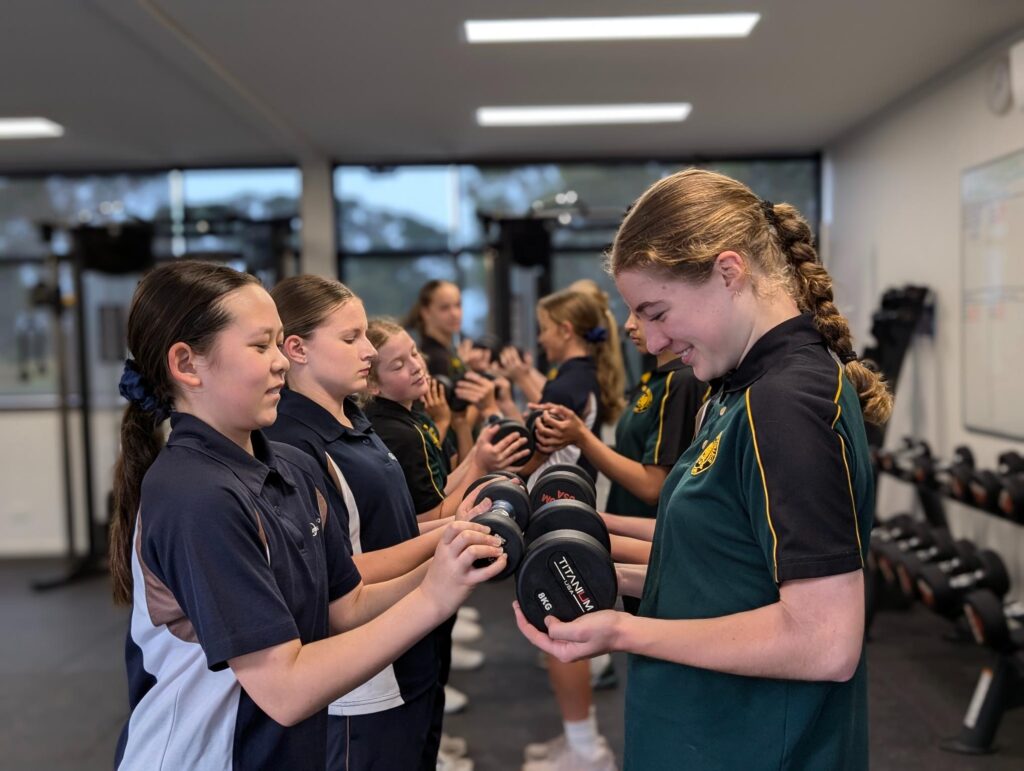
Safe, Structured and School Appropriate
Student safety and wellbeing are central to every Healthy Teens program. Activities are planned according to the age, experience and physical ability of the group.
Programs can include:
• Clear safety and behavioural expectations
• Progressive activities
• Adapted options for different ability levels
• Structured supervision
• Appropriate use of equipment
• Rest and hydration opportunities
• Collaboration with school staff
• Consideration of relevant student support needs
The purpose is to challenge students in a safe and supportive environment, not to embarrass, punish or push students beyond what is appropriate.
Healthy Teens facilitators hold relevant qualifications, Working with Children Checks and first aid certification.
Who Can the Program Support?
Empowerment Challenges can be delivered to a general student cohort or used as targeted support.
The program may be suitable for students experiencing:
• Low confidence
• Reduced motivation
• Disengagement from school
• Difficulty persisting
• Poor response to feedback
• Limited connection with peers
• Behaviour concerns
• Difficulty managing frustration
• A lack of positive direction
Healthy Teens can work with your wellbeing or leadership team to identify a suitable group and establish clear program goals.
Flexible Delivery Options
Single Event Challenge
A high impact experience focused on teamwork, resilience and personal growth.
Multi Week Program
A structured program that allows students to practise new skills, build confidence and work towards a final challenge.
Targeted Wellbeing Program
A tailored program for students needing additional support with engagement, confidence, motivation or emotional regulation.
Sports Team or Academy Challenge
A program focused on discipline, leadership, teamwork and performance habits.
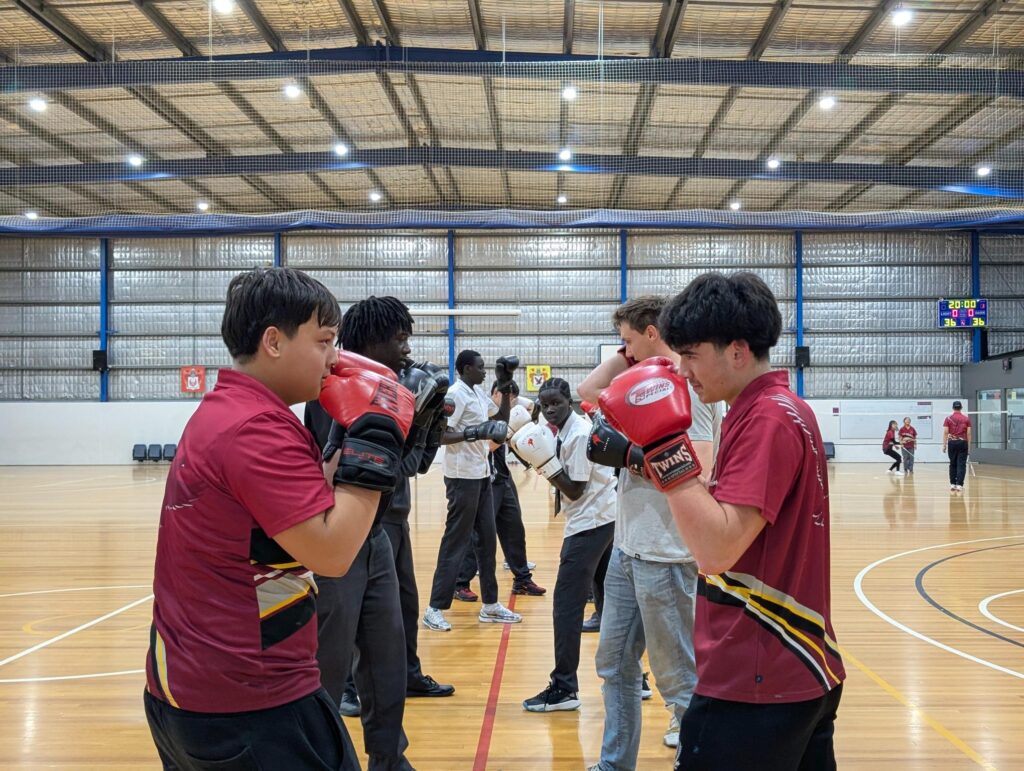
Student Growth in Action
The Challenge
A group of students was selected due to low confidence, inconsistent engagement and difficulty persisting with challenging tasks.
The Approach
Healthy Teens delivered a structured program combining physical challenges, teamwork, mentoring and reflection.
The Outcome
Students demonstrated stronger participation, greater willingness to receive feedback, improved peer encouragement and increased confidence when completing difficult activities.
Measuring Student Growth
Schools need more than an enjoyable activity. They need to understand what students gained from the experience.
Depending on the program structure, Healthy Teens can incorporate:
• Student goal setting
• Pre program and post program reflection
• Attendance and participation tracking
• Facilitator observations
• Student feedback
• Confidence and resilience questions
• Recommendations for future support
This helps schools identify areas of student growth and make informed decisions about future programming.
What Success Can Look Like
Success will look different for every student.
Schools may observe improvement in:
• Confidence
• Effort and consistency
• Willingness to participate
• Ability to receive feedback
• Teamwork and leadership
• Emotional control
• Persistence
• Pride in personal achievement
For some students, success may mean completing the final challenge.
For others, it may mean attending consistently, attempting something new, asking for help or continuing after they initially wanted to stop.
These moments can become a foundation for positive change in other areas of a young person’s life.
Why Schools Choose Healthy Teens
Healthy Teens specialises in practical programs that combine physical activity, mentoring and student wellbeing.
Our approach is active, relational and focused on real world learning.
Students are given opportunities to move, contribute, reflect, work with others and experience progress.
Programs are tailored in consultation with the school rather than delivered as a one size fits all package.
Student and School Feedback
Recent Student Outcomes T2 2026
At Cranbourne SC, we brought the program to life through boxing, fitness challenges, teamwork, mentoring and practical reflection. Students were given a safe and active space to build trust, challenge themselves and discuss real situations relevant to their lives.
The feedback from students was outstanding:
• 100 percent reported becoming more motivated
• 100 percent positively rated their improvement in confidence
• 100 percent strongly agreed that the program should continue for other students
• 88.9 percent would definitely recommend the program
• 88.9 percent reported becoming more confident
• 88.9 percent became more willing to participate
• 88.9 percent identified learning how to make better choices as a valuable outcome
Every respondent rated the program as good, very good or excellent.
What stood out most was that students did more than simply enjoy the sessions. They recognised meaningful growth in their confidence, motivation, participation and decision making. These results reflect the power of creating programs that are practical, engaging and relevant to young people’s lives.
“He learned the importance of setting goals, staying committed and pushing through challenges. He became more active, healthier and more confident in his own body.” J. Jamison Parent
His professionalism and collaboration with our staff have been exemplary. Paapa worked closely with our team to tailor his programs to our school’s specific needs, ensuring that they complemented our broader objectives of fostering student engagement, wellbeing, and leadership.
Mark Bennett
Deputy Head of Middle School Boys, Haileybury College
Frequently Asked Questions
Do students need to be fit?
No. Activities can be modified for different fitness levels, confidence levels and abilities.
Can the program be delivered to a targeted group?
Yes. Schools may nominate students based on wellbeing, engagement, confidence, leadership or behavioural goals.
Can the program be tailored to our school priorities?
Yes. The program can be aligned with outcomes such as resilience, teamwork, confidence, engagement, emotional regulation or leadership.
Do you provide feedback afterward?
For suitable programs, Healthy Teens can provide student feedback, facilitator observations and recommendations.
Help Your Students Discover What They Are Capable Of
Some students have never experienced what happens when they commit to a goal, accept support and continue through difficulty.
An Empowerment Challenge can provide that experience.
Through physical activity, teamwork, mentoring and reflection, students are supported to build confidence, recognise their strengths and take greater ownership of their choices.
Discuss your students, your goals and the most suitable format for your school.
WATCH US SHINE
Results you can see, confidence you can feel. Let us empower your tees to reach their full potential